.jpg)
Your Yard Is Changing Your Indoor Air (And You Don’t Even See It)
When homeowners think about mold, they usually picture leaks, floods, or plumbing issues. But in many cases, the real culprit starts outside—quietly influencing your home’s air quality long before visible water damage appears.
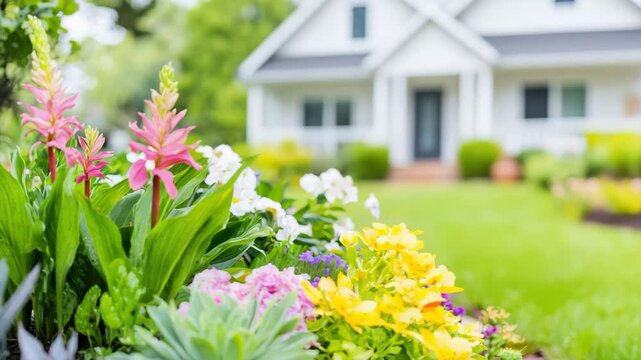
Your lawn and garden don’t just affect curb appeal. They create a microclimate around your home—and that microclimate directly impacts indoor humidity, air quality, and mold risk.
Let’s break down how.
1. Your Yard Creates a “Humidity Bubble” Around Your Home
Every time you water your lawn, irrigate flower beds, or even after a heavy rain, moisture doesn’t just disappear—it evaporates into the air around your house.
That moisture lingers.
Dense landscaping
Shaded areas
Poor airflow between plants and walls
…all trap humidity close to your home’s exterior.
Over time, that humid air can:
Enter through small cracks and openings
Be pulled inside through ventilation systems
Condense on cooler surfaces like basement walls
This is especially important because mold thrives when indoor humidity rises above ~60% .
👉 Translation: Your yard might not be flooding your home—but it could be slowly raising your indoor humidity to mold-friendly levels.
2. Soil Moisture Doesn’t Stay in the Soil
Here’s something most people don’t realize:
Wet soil = constant moisture pressure against your home.
When soil stays saturated near your foundation, it creates hydrostatic pressure—forcing moisture into tiny cracks, porous materials, and below-grade walls.
This doesn’t always show up as obvious leaks. Instead, you get:
Damp basement air
Musty smells
Subtle condensation
Long-term mold growth inside walls or insulation
Even a properly built home can struggle if drainage and landscaping aren’t working together.
3. Landscaping Can Block Your Home’s Ability to Dry Out
Homes are designed to shed and dry moisture naturally.
But certain yard setups work against that:
Plants installed too close to the house
Thick mulch layers holding moisture
Shrubs blocking sunlight and airflow
These create what’s essentially a “wet zone” around your foundation, slowing evaporation and keeping surfaces damp longer.
And moisture that sticks around is moisture that finds a way in.
4. Your Basement Is Basically Breathing in Your Yard
Basements and crawl spaces are especially vulnerable because they sit below ground level.
They’re constantly interacting with:
Soil moisture
Groundwater
Outdoor humidity
Moisture can enter in three main ways:
Liquid water (rain, groundwater)
Humid air entering and condensing
Vapor moving through materials like concrete
Once inside, that moisture raises humidity levels—and anything above ~50–60% starts increasing mold risk.
5. Small Outdoor Habits = Big Indoor Impact
The tricky part? These issues often come from totally normal yard habits:
Watering too frequently or too close to the house
Letting gutters overflow into landscaping beds
Building up mulch year after year
Poor grading that directs water toward the home
Individually, they seem harmless.
Together, they create a perfect storm of slow, constant moisture exposure.
6. Why This Matters for Health (Not Just the House)
Mold isn’t just a structural issue—it’s an air quality issue.
Moisture-driven mold can:
Trigger allergies and asthma
Worsen respiratory conditions
Spread spores through HVAC systems
And because mold often grows inside walls or below floors, you may feel the effects before you ever see the problem.
How to Break the Cycle (Without Killing Your Garden)
Good news—you don’t need to ditch your landscaping. You just need to make it work with your home.
Smarter Yard = Healthier Home
Water strategically: Early morning, away from the foundation
Check grading: Soil should slope away from your home
Give your house breathing room: Avoid dense plantings right against walls
Manage mulch: Keep it light and not piled high
Control humidity inside: Aim for 30–50% indoor humidity
Because at the end of the day, mold isn’t about dirt, plants, or even water…
👉 It’s about where moisture goes—and how long it stays there.
Final Thought
Your lawn and garden don’t just live outside—they actively shape what happens inside your home.
If you’re dealing with:
Musty smells
Persistent humidity
Recurring mold issues
…it might be time to look beyond your walls.
Because sometimes, the problem isn’t in your house.
It’s growing right outside it.